By Ensemble
Seattle is a city that takes its green spaces seriously, and Woodland Park Zoo stands as one of the most beloved examples of that commitment. Spanning 92 acres, this isn't just a place to see animals; it's a full day of discovery, connection, and immersive environments that make you feel worlds away from the city streets just outside its gates. For anyone considering a move to Seattle or already calling it home, understanding what the zoo offers adds meaningful context to life in this corner of the Pacific Northwest.
What makes Woodland Park Zoo particularly special is how intentionally it was designed. Rather than rows of cages, you'll find recreated natural habitats, award-winning exhibit design, and a genuine commitment to conservation that shapes everything from how the animals are housed to the educational programming offered to visitors of all ages. It's easy to see why repeat visits remain just as engaging as the first.
Whether you're exploring Seattle's residential real estate offerings for the first time or you've lived here for years and are simply looking for more to do on a weekend, Woodland Park Zoo is one of those anchoring amenities that speaks to the kind of city Seattle is: engaging, green, and deeply invested in the wonderful world beyond its own boundaries.
Key Takeaways
- Woodland Park Zoo covers 92 acres in Seattle's Phinney Ridge area and features immersive, habitat-style exhibits rather than traditional enclosures.
- The zoo is home to approximately 1,000 animals representing over 250 species, with a strong focus on conservation and sustainability.
- Seasonal programming, special events, and year-round exhibits make it a destination worth returning to across every season.
What You'll Find Inside: Exhibits and Animal Encounters
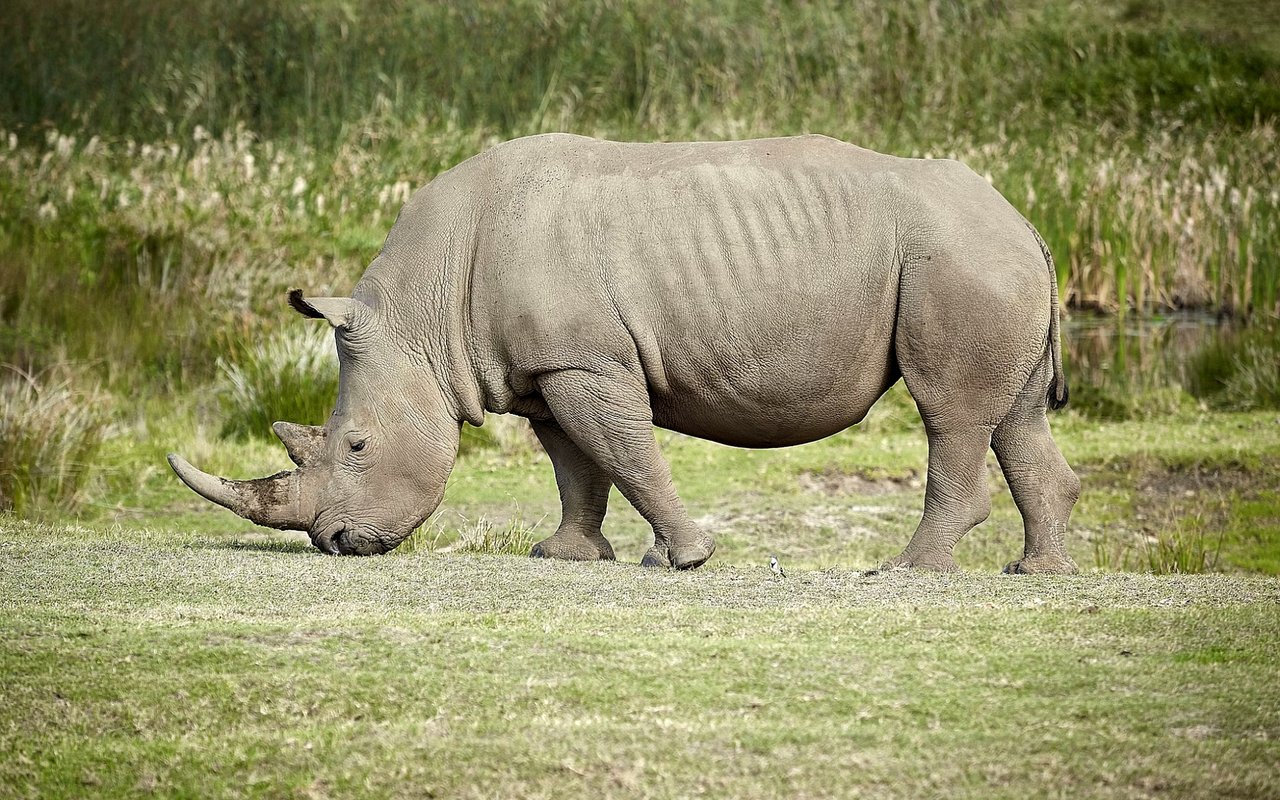
Walking through Woodland Park Zoo feels like moving through a series of distinct ecosystems. The African Savanna exhibit is one of the most celebrated, featuring giraffes, zebras, monkeys, and African lions in a setting that uses landscape design to draw your eye toward the horizon rather than a fence line. The Humboldt penguin habitat and the Trail of Vines, home to orangutans and siamangs, are among the other standout areas that consistently draw crowds.
The zoo is also home to a functioning bee exhibit, a butterfly garden that operates seasonally, and a robust collection of reptiles and amphibians. For those interested in local wildlife, the Temperate Forest section highlights animals native to the Pacific Northwest, creating a sense of place and context that feels especially meaningful in a region as ecologically rich as western Washington.
Beyond the animals themselves, the zoo's thoughtful layout ensures that moving from one exhibit to the next feels like a journey rather than a checklist. Wide pathways, shaded rest areas, and food concessions placed throughout the grounds mean that you can spend a full day here without feeling rushed or worn out.
The zoo is also home to a functioning bee exhibit, a butterfly garden that operates seasonally, and a robust collection of reptiles and amphibians. For those interested in local wildlife, the Temperate Forest section highlights animals native to the Pacific Northwest, creating a sense of place and context that feels especially meaningful in a region as ecologically rich as western Washington.
Beyond the animals themselves, the zoo's thoughtful layout ensures that moving from one exhibit to the next feels like a journey rather than a checklist. Wide pathways, shaded rest areas, and food concessions placed throughout the grounds mean that you can spend a full day here without feeling rushed or worn out.
Highlights Worth Planning Around
- The African Savanna is consistently rated among the zoo's most impressive exhibits, offering sweeping sightlines and naturalistic design.
- The Trail of Vines houses orangutans and siamangs in a lush overhead canopy environment that encourages natural behaviors.
- The Humboldt penguin exhibit allows for close viewing and frequent feeding demonstration times throughout the day.
- Zoomazium, the indoor nature play space, offers hands-on exploration in a covered, all-weather environment suitable for visiting any time of year.
- The seasonal butterfly garden typically runs from late spring through early fall, making it a popular draw during Seattle's warmer months.
Conservation and Education at the Core
Woodland Park Zoo operates as an accredited member of the Association of Zoos and Aquariums, which means that it adheres to rigorous standards for animal care, sustainability, and conservation programming. The zoo is involved in 32 wildlife conservation projects throughout the region and worldwide, many of which visitors can learn about on-site through interpretive signage, keeper talks, and dedicated programming.
The Wildlife Survival Fund and other community initiatives extend the zoo's conservation work into local neighborhoods and field projects. This outreach reflects something broader about the zoo's mission: it isn't only about the animals within its gates but about building an informed, engaged community that sees conservation as a shared responsibility.
For those who want to go deeper, the zoo offers behind-the-scenes tours and keeper experiences that provide access to parts of the facility not visible from the main pathways. These programs tend to book out quickly, so planning ahead is worthwhile if that level of engagement appeals to you.
The Wildlife Survival Fund and other community initiatives extend the zoo's conservation work into local neighborhoods and field projects. This outreach reflects something broader about the zoo's mission: it isn't only about the animals within its gates but about building an informed, engaged community that sees conservation as a shared responsibility.
For those who want to go deeper, the zoo offers behind-the-scenes tours and keeper experiences that provide access to parts of the facility not visible from the main pathways. These programs tend to book out quickly, so planning ahead is worthwhile if that level of engagement appeals to you.
Conservation Programs Worth Knowing About
- The zoo participates in Species Survival Plans for multiple threatened and endangered animals, contributing to global breeding programs.
- Keeper talks are scheduled daily throughout the grounds and offer informal, engaging deep dives into specific animals and their care.
- Behind-the-scenes experiences are available for an additional fee and require advance booking through the zoo's website.
- Educational programming extends into the community through partnerships with local organizations focused on environmental stewardship.
FAQs
Is Woodland Park Zoo Open Year-Round?
Yes, Woodland Park Zoo is open every day of the year, with the exception of select holidays. Hours vary by season, with extended hours from May to September and shorter winter hours. The zoo's website posts current hours and any closures well in advance.
What Animals Are at Woodland Park Zoo?
The zoo is home to more than 1,000 animals representing over 300 species, including African lions, Humboldt penguins, Amur tigers, hippos, giraffes, orangutans, and a wide variety of reptiles, amphibians, and birds. The collection is continually updated as part of the zoo's broader conservation and breeding program participation.
Seattle Is Better With the Zoo in Your Backyard
Woodland Park Zoo isn't simply an attraction you visit once and check off a list. For Seattle residents, it functions as a living, breathing part of the city's identity: a place that reinforces why the Pacific Northwest draws people in and keeps them here.
If you're exploring what it means to live in Seattle and want to understand how the city's green spaces, neighborhood character, and community amenities come together, our team would love to show you. Reach out to us today at Ensemble, and let's talk about finding the right neighborhood to make Seattle home.
If you're exploring what it means to live in Seattle and want to understand how the city's green spaces, neighborhood character, and community amenities come together, our team would love to show you. Reach out to us today at Ensemble, and let's talk about finding the right neighborhood to make Seattle home.